Tuesday, November 5, 2013

Dolphins in Film


Upon studying all the movies that I could find about dolphins or involving dolphins, I found quite an extensive list, which I will share at the end of this post!

I will be exploring two films, one more attuned for children and one more directed for adults.

"A Dolphin Tale" is the film for children that I will cast my two cents on. This is a film centered on the friendship that forms between a boy and a dolphin when the dolphin loses its tail in a trap. The entire movie is based around this. The boy helps the dolphin cope, the dolphin helps the boy cope; it is a true story and a great movie. I feel the dolphin was chosen for this film because they found this true story of the dolphin to be such a fabulous story to share with kids and because nearly all kids love dolphins, it would be an easy selling point for them. The intended message to the audience in my eyes is to instill compassion in today’s youth. I believe this movie does a great job of bringing the viewer to a state of pure compassion for this dolphin in need. This is something all children should be taught, and through a fun movie with a dolphin is an excellent way to do this.


For adults on the other hand, I chose the film "Beneath the Blue". Dolphins play a main role in this movie as well and there is one dolphin in particular that is of upmost importance. However, the human and animal bond in this movie isn’t nearly as strong because the movie has other points of interest such as, corruption, distrust, dishonesty, oodles of action and romantic relationships budding, etc. The storyline is about a group of people researching and studying the intelligence of dolphins only to find them dying in vast numbers very quickly. They blame the navy for using sonar technology and then the story stems from their fight to save the dolphins as well as the other aforementioned aspects. I also believe that the dolphins were a great selling point for this film because just the year before this movie came out a documentary by the name of The Cove (as I have mentioned in previous posts) had come out and was an excellent seller, listed as documentary of the year. I believe this had a lot of people amped up about dolphins and saving them, so what better time to drop a ‘save the dolphins’ movie? I don’t really think this movie had any intended messages for the audience except to be a good movie with a great selling point. Unless of course the writers were hinting that underwater solar activity may in fact be hurting the dolphins. Who knows?
 

The difference in the message for these two movies is that the children’s movie gave a message that the child could carry with them throughout life about having compassion towards animals. The adult movie alternatively really just wanted an action/ romance movie to draw in adults and threw dolphins into the plot because people were currently passionate about saving the dolphins.

Below is the link for A Dolphin Tale trailer!


And here is a link to the trailer for Beneath the Blue!


Here are some more awesome dolphin movies you might like to watch!


Resources:


http://www.squidoo.com/dolphin-movies

Dolphins in Literature/ Folklore


One piece of literature or folklore that I found a dolphin in, is a French fairytale type story conveniently named, The Dolphin by Madame d’Aulnoy. This is the story of a man, Alidor, who was not loved by his family because he was ugly, so he left his family on a quest for somebody to love him. He found a kingdom with a princess deep in the woods and fell in love with her, but because of his ugliness, she just laughed at the thought of marrying him. Because fish were the main source of protein back then, Alidor was constantly out fishing trying to bring in a large load of fish to show his worth. However, he never caught any fish. One day he caught a magic dolphin, and the dolphin promised to help Alidor out if he would release him back. The dolphin kept his promise and brought Alidor a very large load of fish. Next, the dolphin tried to help Alidor with ways that he could win the princess over. They both found that Alidor didn’t have a whole lot of game and the dolphin decided to turn Alidor into a talking canary that the princess could keep as a pet. The princess loved her canary very much and was very surprised to find that her canary was Alidor when he changed back. The king was not happy and sent them all away- the dolphin, Alidor and the princess. The story wraps up with the dolphin granting Alidor and the princess their own island, the dolphin makes Alidor handsome, they have a baby, the king forgives them and they all live happily ever after.

      Pretty extreme story and pretty extreme circumstances, huh?

The dolphin plays a pretty large role overall. He helps Alidor look worthy with the fish, he grants Alidor a chance to show the princess his personality through the talking canary, and then once the princess loves him, the dolphin then makes Alidor handsome and gives them a home. I feel the dolphin may have been chosen for a few reasons. Alidor was always fishing and therefore they needed a creature of the sea since that is where he spent a lot of his time. Dolphins are seen as one of the most beautiful, magical creatures in the sea, and Alidor was considered the ugliest and most worthless. Another reason is that dolphins are very intelligent and maybe other sea creatures wouldn’t be able to think thoroughly on the same level that the dolphin did throughout the story. Those are just a few of my ideas as to why a dolphin may have been chosen for this piece of literature!

Resources:


Dolphins in Art


Dolphins have most definitely been presented in art today and throughout history. This post will cover a couple of those today.

 
One of the many forms of ancient art that included dolphins is frescoes. Frescoes are a source of some of the most beautiful ancient art handed down to us from the Minoan civilization of Bronze Age Crete (2000-1500 BC). Without written records, they are often the only source, along with decorated pottery, of just how Minoans saw the world and give us glimpses of their beliefs, cultural practices and tastes. Fresco painting is the painting of color pigments on wet lime plaster without a binding agent and the paint is then absorbed by the plaster and protected from fading.

A few problems with frescoes are the delicateness of the pieces, incompleteness of the art and the lack of an artist to tie them to. They also tend to be extremely difficult to date. There are also many surviving fresco remains dating from the second phase of 1550 to 1450 BC, when the Mycenaean began to take over the Minoan sites. However, as these are stylistically very similar to earlier Minoan frescoes, they are discussed as one in today’s society.

Natural subjects such as flowers and other plants were typically the subjects in these paintings. The Minoans were one of the earliest cultures to paint natural landscapes without any humans present in the scene due to their love of nature. Animals were also commonly portrayed in their natural habitat, including dolphins and other sea creatures.

As far as today’s modern culture, dolphins are portrayed in art in hundreds of different forms such as statues, jewels, posters, films, photography, carvings, sculptures, moldings and paintings to name a few. In Scotland you can find this really neat metal wire sculpture of a dolphin along the boardwalk in Aberdeen City and Shire.
 

This sculpture was placed here to bring in tourists and spark an interest in their desire to see the modern arts and culture of Aberdeen and Scotland in general. In fact, this picture was taken directly from the “Visit Scotland” website!
 

Resources:


Tuesday, September 24, 2013

Speciesism

 
Dolphins are the most sought after animals for the entertainment of humans. They are used in zoos, aquariums, aquatic shows, marine mammal parks, dolphinariums, swimming experiences, television series, documentaries, and movies.
Luckily, these dolphins can adapt quite easily.
Why luckily?
Well, because most people NEVER think about what it took to get that dolphin into that captive zone in order to train it, and put it on display performing circus acts for human entertainment.
 
Japan has the highest rate of dolphin death...
Cause of death: slaughter by humans.
Why?
The dolphins are captured by the pods in masses, and then the most athletic ones are auctioned off to be held in captivity by marine mammal parks or the list of entertainment industries listed above.
Those are the lucky ones.
The dolphins that don't make the cut are then killed off for meat.
 
This is where speciesism comes into play. Speciesism involves the assignment of different values, rights, or special consideration to individuals solely on the basis of their species membership.
I believe that The Cove slaughters represent speciesism because they favor some of the dolphins and give them unlimited fish, games, companionship, LIFE.....whereas the others are just slaughtered as if they are worth nothing and we only view them as things in these venues.

 
The part that is most disturbing is how this process takes place.
The Japanese fishermen place boats, nets, spears, and sound projectors in the water and then basically herd masses of dolphins, thousands at a time, into a small cove with terrifying and ear bleeding sounds and then close in on them. They are auctioned off until all the bidders are satisfied.
The dolphins saved for life in captivity are pulled from the water, rubbed down with lotion so they don't dry out, transported for hours and even days, then dumped into their new chlorinated homes. It is a wonder that they survive all of this treacherous shock to begin with.
 
The dolphins who aren't so lucky...the dolphins left behind... are then brutally slaughtered by the masses in inhumane ways, and then sold under the radar as meat for the Japanese people to consume. The Japanese people, however, are sheltered from the ridiculous levels of toxic mercury in this meat, and don't even realize they are consuming it most of the time due to meat mislabeling.
 
 
Above is a link to the trailer of The Cove, an undercover documentary about this slaughtering. You can also purchase the movie from this link, or the digital copy of the movie.


The Japanese claim that this is part of their culture.
Slaughtering dolphins is tradition to them.
In my opinion... that's outrageous.
 
Until the rest of us reach out and put an end the endless, merciless killings... until we decide that speciesism isn't okay....
the blood left in the cove is all they will be remembered by.
 
Resources:
 

Ethology

Ethology is the scientific and objective study of animal behavior, and is a sub-topic of zoology. The focus of ethology is on animal behavior under natural conditions, as opposed to behaviorism, which focuses on behavioral response studies in a laboratory setting.

Because ethology is focused on behavior in the natural conditions of the animal, more emotions tend to be viewed than those in the lab and captivity.
 
Dolphins, for example, after being studied and observed, have been known to show such emotions such as sadness, fear, distress, anger, interest and happiness which would all be primary emotions.
However, dolphins have also been known to show higher levels of intelligence to the point where they can possibly comprehend and even contemplate situations.
If they can understand a situation and then progressively think about that situation, who is to say that dolphins can't express emotions such as love, grief, guilt, shame, and embarrassment?
 
In general, it is easy to conclude that dolphins are sentient beings, meaning they have the ability to feel, perceive, be conscious, have subjective views, have meaningful experiences, and value their life.
 
This is a video of a cat making friends with dolphins. Friendship and companionship takes some thought, and possibly some love towards one another!

 
Another reason dolphins are believed to experience emotions is because emotions make you a more social creature and social creatures form bonds. Dolphins form bonds with other dolphins (pods) and other species, including humans, everyday. Dolphins also partake in activities that bring them joy and pleasure, such as playing!


Here is a link to watch dolphins playing with bubble rings that they themselves make, and you can tell by watching that this isn't just a mindless habit...it is a beautiful game.
 
Dolphins are also considered incredible beings just due to their incredible level of intelligence.
 
This video demonstrates the dolphin's ability to imitate another dolphin while being blindfolded. Dolphins are actually one of very few animals that will imitate an action.
Another interesting thing about dolphins is that they have the ability to look in a mirror and recognize themselves. After they recognize themselves, they frequently take trips to the mirror to have a look at themselves and when marked on, they turn the mark towards the mirror and question it.
 

The last point I am going to present in this section is the dolphin's ability to create.
Yes...create.
Whether or not animals can be creative is a topic being studied everywhere by ethologists and behaviorists alike. The link below is a MUST WATCH that proves that dolphins do indeed have the ability to create!

If you fast forward to 20:00 you will reach the dolphin section and the entire section is neat.
However, for the specific section I am talking about, when the dolphins actually create a trick on their own, fast forward to 24:45.
 http://www.youtube.com/watch?v=9_3s4V9FLVA


Current Social Perceptions

This post will discuss how people currently perceive dolphins in today's society.

The first aspect I would like to talk about is the most obvious when people think of dolphins; dolphins in captivity for entertainment.
People always picture dolphins doing tricks and dancing around in shows made exclusively for human entertainment. You will find such dolphins in marine mammal parks, dolphinariums, zoos, aquariums, etc.
 
Here's a link to a great SeaWorld dolphin show if you would like to watch!
 
The dolphins, coming from a salt water life, are typically captured from their homes in the wild, and then brought to their new homes in chlorinated pools.
Dolphins are quite adaptable to this new life because they like performing, food rewards, people, and they respond well to being trained. Their high level of response to training is  directly correlated to their high levels of intelligence.
 
Another area in which society would come into contact with dolphins is in the military. Yes, how cool right? The military actually takes dolphins, trains them in various beneficial ways, and uses them as part of their elite team when fighting wars or during training exercises.
 
 
 These mammals were used by the military because the military needed more efficient and accurate ways of searching for and detecting objects underwater, such as mines and submarines.
The military also used them to research their abilities to swim incredibly fast and dive so deep in hopes of generating combat machines, like submarines, speed boats and torpedo's, with these capabilities as well.
These dolphins are also used to deliver equipment to divers under water to pick up equipment that a diver may have left under water, and to detect enemy swimmers and tag them with a marker before warning the troops that an enemy was in range.
^^^Military Dolphins^^^


 Dolphins used in research are probably the least thought of social perception of human and dolphin interactions, but it is actually very common.


Researchers study dolphin echolocation mechanisms, imitation ability, cognitive ability, reproduction, object permanence, number concepts, the social development in calves, echocardiography of pregnant dolphins, and much more!
A lot of researchers simply just study dolphin life, how they become a pod, how they obtain resources, how they communicate, whether their populations are thriving or decreasing, etc.

A few other sources of dolphin and human contact is through dolphin swim facilities where people may go to learn about dolphins or just to swim with them. Some have swimming courses where you can bring your children, and some have therapy sessions swimming with dolphins!
http://www.youtube.com/watch?v=iFWyoIkRA6I

 
The last area of social encounters between humans and dolphins that I will mention is through media.
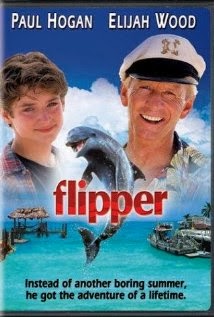
Plenty of dolphins have participated in movies like Flipper, A Dolphin's Tale and technically Free Willy, where they play characters in the movie. Dolphins have been showcased in movies made about dolphins , such as The Cove, and they have also appeared in a television series that involves dolphins.


Resources:


Sunday, September 22, 2013

Social History of the Dolphin

Cavemen drawings and very ancient pottery and fountains prove that dolphins were doted upon well beyond our time.

Dolphins were often called upon in ancient mythology stories as well. They were seen pictured with Greek Gods and Goddesses.

Sailors also shared that if dolphins were swimming alongside your ship, to stay set in that course because dolphins would always lead you into fair weather and calm seas.


Some of the most notable interactions between people and dolphins was when humans started capturing dolphins to keep in captivity for entertainment, research, or other reasons beneficial to humans like military trainees. The first recording of a captive dolphin was in 1883 in Europe. These will be further discussed in my next post about how humans perceive these animals in today's world.

Resources:
http://www.dolphins-world.com/